No Ordinary Deaths
£11.99
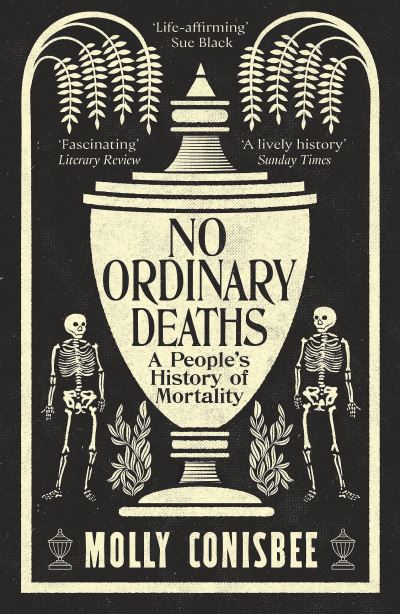
History is dominated by A-list deaths: queens beheaded archdukes assassinated. But what about everyone else? How did ordinary people depart this life and grieve for loved ones – and which of the old ways might help us prepare for the end? Our ancestors, living closer to death than we do, had a more intimate and integrated relationship with death as a familiar presence in daily life. From the death-watchers of the Middle Ages to the pomp of Victorian funeral wear, by way of plague pits, grave-robberies and wakes, historian and bereavement counsellor Molly Conisbee explores how cycles of dying, death and disposal have shaped – and been shaped by – society.
Out of stock
'A beautifully written and thought provoking journey' Professor Sue Black, author of All That Remains 'There surely won't be a better history of the subject than Conisbee's' Literary Review 'Richly researched … an intimate chronology' TLS The lost art of 'dying well' was common knowledge to our ancestors – who, living closer to death than we do, had an intimate and integrated relationship with the afterlife. For centuries, cycles of death, dying and disposal have shaped society, from the death-watchers of the Middle Age to the pomp of Victorian funeral wear. Ranging from the plague pit to the grave-robbery, from consecrated ground to the hangman's drop, No Ordinary Deaths is a groundbreaking work of social history which asks: how did our ancestors live, and die? How might the old ways help prepare us for our own ends?
| Weight | 0.3 kg |
|---|---|
| Dimensions | 19.6 × 12.8 × 2.8 cm |
| Author | |
| Publisher | |
| Imprint | |
| Cover | Paperback |
| Pages | 368 |
| Language | English |
| Edition | |
| Dewey | 306.9 (edition:23) |
| Readership | General – Trade / Code: K |
Related products

HISTORY
HISTORY
HISTORY

HISTORY
HISTORY

HISTORY